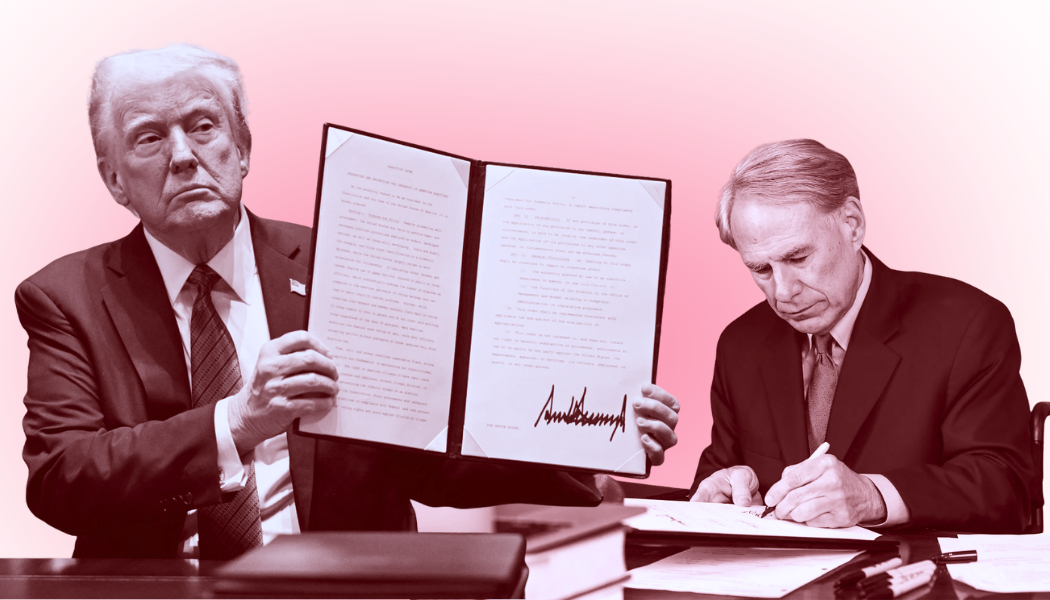
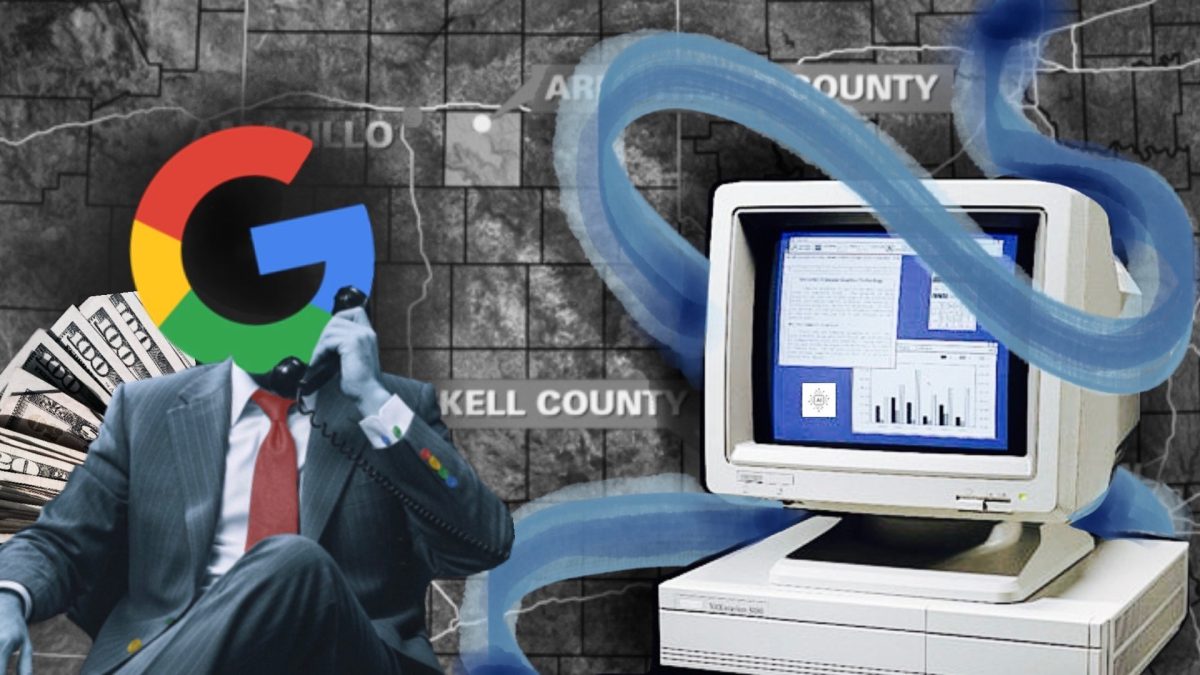
Effective Jan. 1, 2026, governor Greg Abbott signed the Texas Responsible Artificial Intelligence Governance Act, TRAIGA, into law on Jun. 22, making Texas one of the first of four states to pioneer AI legislation alongside California, Utah, and Colorado. The TRAIGA prohibits the manipulation of human behavior, unlawful discrimination, sexually explicit content, and provides constitutional protection.
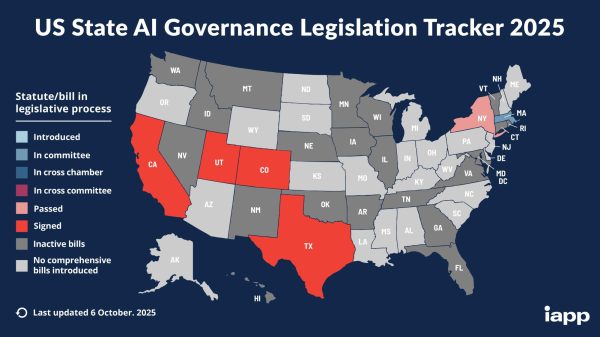
On an international scale, the United States is leading in producing high-performing AI models, but responsible AI development is evolving disproportionately to the use of AI. American legislature has just begun to address this new-wave tech revolution, with Colorado signing the first act in May of 2024, yet state policies are facing federal limitations through the recently signed executive order which limits state legislation against AI.
Executive Order 14179, titled “Removing Barriers to American Leadership in Artificial Intelligence” was issued on Dec. 11, aiming to limit states in creating their own AI policies. The White House published the executive order on their website, describing their goals and the measures taken to attain them.
“I revoked my predecessor’s attempt to paralyze this industry and directed my Administration to remove barriers to United States AI leadership,” President Donald Trump said. “To win, United States AI companies must be free to innovate without cumbersome regulation. But excessive State regulation thwarts this imperative.”
The White House publication describes two goals, one being to protect the AI industry, and the other to prohibit ideological bias.
“State laws are increasingly responsible for requiring entities to embed ideological bias within models,” Trump said. “For example, a new Colorado law banning ‘algorithmic discrimination’ may even force AI models to produce false results in order to avoid a ‘differential treatment or impact’ on protected groups.”
The reality of ideological bias is highly debated, but structural bias is a major concern in the construction of AI models. In a 2022 NIH study, researchers determined that political biases are harder to detect, raising a substantial risk.
“AI has been designed by one group of people,” PhD candidate and AP research teacher Julie Cummings said. “They have their background and experiences that they have plugged into their systems, and it doesn’t mean that they necessarily know any different. Those backgrounds and experiences are what they knew to use to create the systems. But those biases perpetuate those same biases and stereotypes or whatever it might be.”
In a six prong plan, the Administration aims to create an AI litigation task force, and publish an evaluation of state laws. It is logical to conclude that Texas, Utah, California, and Colorado may face certain pushback from the administration as a result of the task force and the policy evaluation, but its effect on TRAIGA is yet to be determined.


![A digitally constructed image shows money flowing out of a U.S. government building, representing the economic impact of the Trump administration’s new tariff policy. “[The tariffs are] supposed to basically pump up American businesses to where Americans go buy American products,” U.S. government teacher Adam Barclay said. “Then you have more manufacturing, you have more jobs, and that's how it's supposed to work.”](https://rockhillmedia.org/wp-content/uploads/2025/04/Impact-of-the-U.S.-Tariffs-1-1200x675.png)